Sewer Lines
Main Sewer Line Clog Warning Signs
Know when a slow drain is actually a main line problem — and what to check first.
Read the guide →Clogged drain repair, hydro jetting, and sewer line cleaning for Santa Fe homes and businesses. Call any time — day or night.
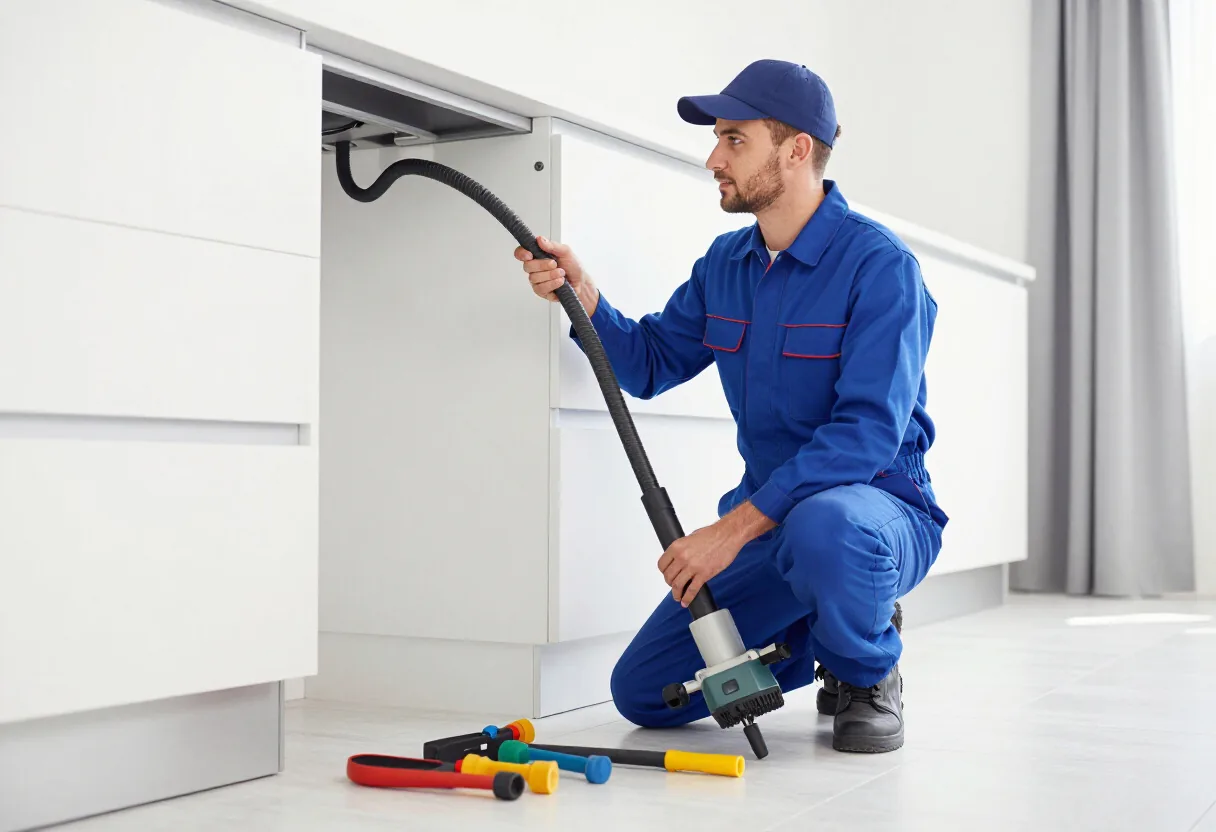
Santa Fe's unique high-desert climate and historic infrastructure create distinct challenges for residential and commercial drainage systems. The city's hot, dry summers cause soil contraction and ground shifting that stresses aging pipes, while sudden monsoon downpours can overwhelm drains clogged with debris and mineral buildup from the area's hard water supply.
Many properties in Santa Fe's Historic District and older neighborhoods still rely on original clay tile or cast iron sewer lines installed decades ago. These aging pipes are particularly vulnerable to invasive tree roots from native Piñon pines and junipers seeking moisture, as well as scale accumulation that narrows pipe diameter and restricts flow, leading to frequent backups and slow drainage.
Tell us what is happening and we will connect you with an independent local professional who handles it.
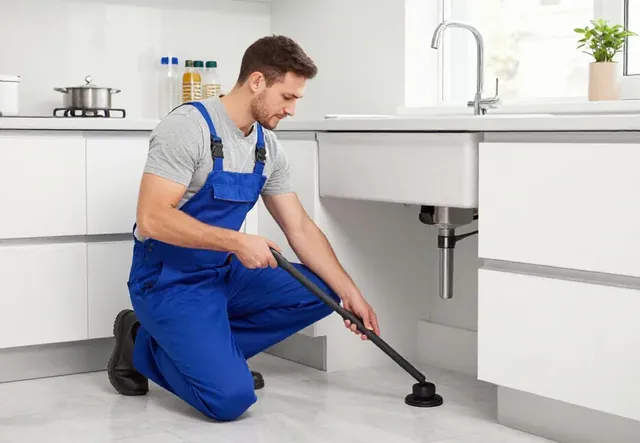
Comprehensive drain cleaning services using professional equipment to remove buildup, debris, and blockages from kitchen, bathroom, and main sewer lines.
Call for help — (888) 205-1556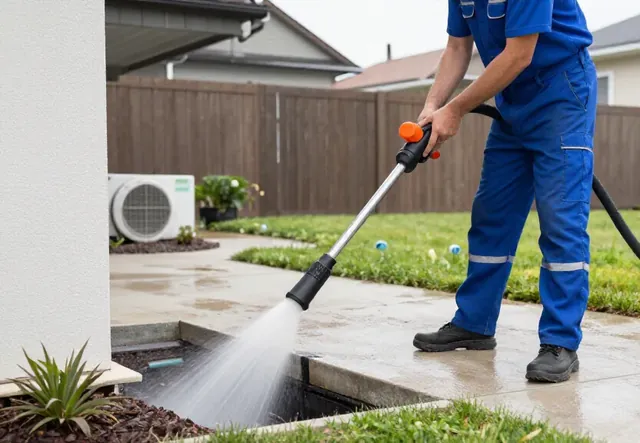
High-pressure hydro jetting blasts away years of grease, scale, and root intrusion from pipe walls, restoring full flow capacity in sewer and drain lines.
Call for help — (888) 205-1556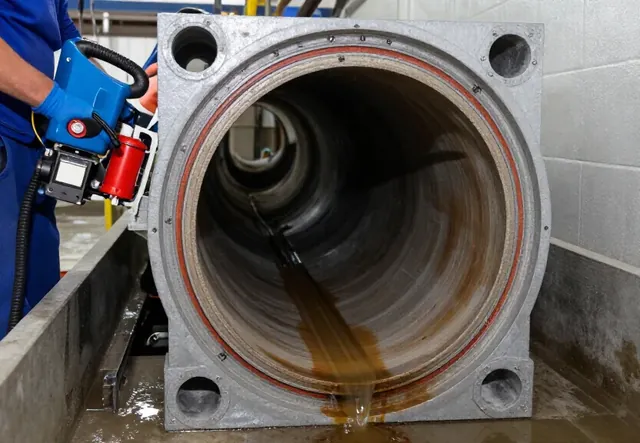
Sewer line cleaning and maintenance prevents backups and costly repairs. We clear blockages and buildup in main lines to keep your wastewater flowing properly.
Call for help — (888) 205-1556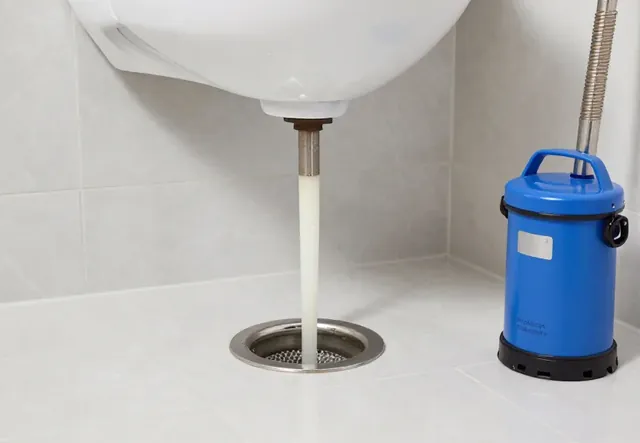
Expert clogged drain repair with advanced techniques to quickly clear stubborn blockages in sinks, toilets, showers, and floor drains without damaging pipes.

Video camera inspection identifies the exact location and cause of drain problems, eliminating guesswork and enabling targeted repairs for Santa Fe properties.
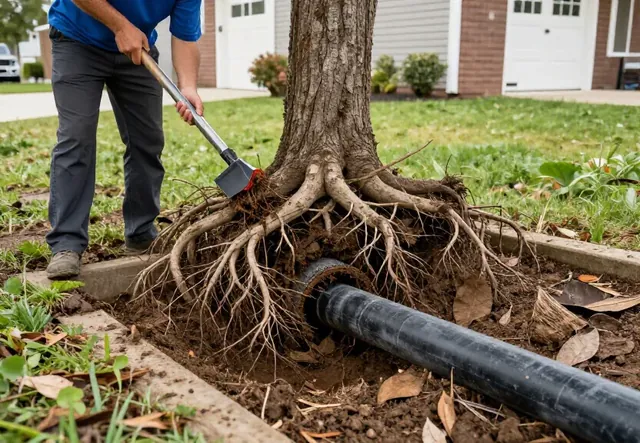
Specialized tree root removal services cut and clear invasive roots from sewer lines, preventing pipe damage and recurring clogs in Santa Fe's treed neighborhoods.

24/7 emergency drain service available for urgent clogs, backups, and overflows. Fast response times to minimize water damage and restore drainage any time.
No forms, no apps, no waiting on a callback. One call gets you to a local drain professional.
Tell us you are in Santa Fe and describe the problem — a slow sink, a backup, or a sewage smell.
We route your call to an independent drain professional serving Santa Fe and nearby areas, subject to availability.
Confirm the diagnosis, scope, and price with the provider before any work begins.
Small drain problems rarely fix themselves. These are the signals homeowners call about most often.
Stop running water, keep people away from the affected area, and call to check emergency availability in your city.
Call now — 24/7Santa Fe's semi-arid climate directly impacts drain performance throughout the year. The extreme temperature fluctuations between hot days and cool nights, combined with prolonged dry periods, cause clay-rich soils to expand and contract, putting continuous stress on underground pipes and creating entry points for tree roots. During monsoon season from July through September, sudden heavy rains can quickly expose any partial blockages, causing immediate backups. Additionally, the region's hard water contains high mineral content that precipitates inside pipes, gradually reducing diameter and flow capacity, particularly in homes without water softeners.
Local neighborhoods like the Eastside Historic District, Canyon Road area, and South Capitol district face unique drain challenges due to mature landscaping and aging infrastructure. Native trees including Piñon pine, one-seed juniper, and cottonwood species send aggressive root systems into sewer lines seeking moisture in the dry climate. These roots can completely obstruct pipes if not addressed promptly. Many homes built before 1980 still have original clay tile or Orangeburg pipe that has deteriorated over time, making professional maintenance essential to prevent costly sewer line replacements and property damage from backups.
Answers to the questions homeowners in Santa Fe ask most often.
Santa Fe's hard water deposits minerals inside pipes that trap hair and debris. Native tree roots from Piñon pines and junipers infiltrate aging clay sewer lines, especially in historic neighborhoods. The dry climate also causes ground shifting that cracks pipes, allowing root intrusion and soil infiltration.
Yes, when performed by trained technicians who adjust pressure for fragile clay or cast iron pipes common in Santa Fe's historic homes. Camera inspection first identifies pipe condition, allowing us to use appropriate pressure levels that clear blockages without damaging aging infrastructure.
Hot, dry summers cause soil contraction that stresses pipes and creates cracks where roots enter. Sudden monsoon rains overwhelm partially blocked drains. Hard water mineral buildup is accelerated by evaporation, and temperature swings between day and night cause pipe expansion/contraction that weakens joints over time.
Piñon pines, one-seed junipers, and cottonwoods are primary culprits. Their extensive root systems aggressively seek moisture in our arid climate. Russian olive trees, though less common now, also cause significant damage. Roots typically enter through pipe joints and cracks, causing recurring blockages.
For Santa Fe homes with mature trees or hard water, annual cleaning is recommended. Properties with newer PVC pipes may need service every 18-24 months. Historic homes with original clay or cast iron should schedule every 6-12 months due to increased root intrusion and scale buildup risks.
Standard drain cleaning uses mechanical augers to break through clogs, ideal for simple blockages. Hydro jetting uses high-pressure water to scour pipe walls completely clean of grease, scale, and root fragments, restoring full pipe diameter. In Santa Fe, hydro jetting is superior for removing hard water deposits and invasive root systems.
Understand the problem first. These guides explain what you are seeing and when it is time to call.
Know when a slow drain is actually a main line problem — and what to check first.
Read the guide →How high-pressure cleaning differs from snaking, and when it is the better call.
Read the guide →Simple habits that keep kitchen, bathroom, and laundry drains flowing.
Read the guide →