Sewer Lines
Main Sewer Line Clog Warning Signs
Know when a slow drain is actually a main line problem — and what to check first.
Read the guide →Clogged drain repair, hydro jetting, and sewer line cleaning for New York homes and businesses. Call any time — day or night.
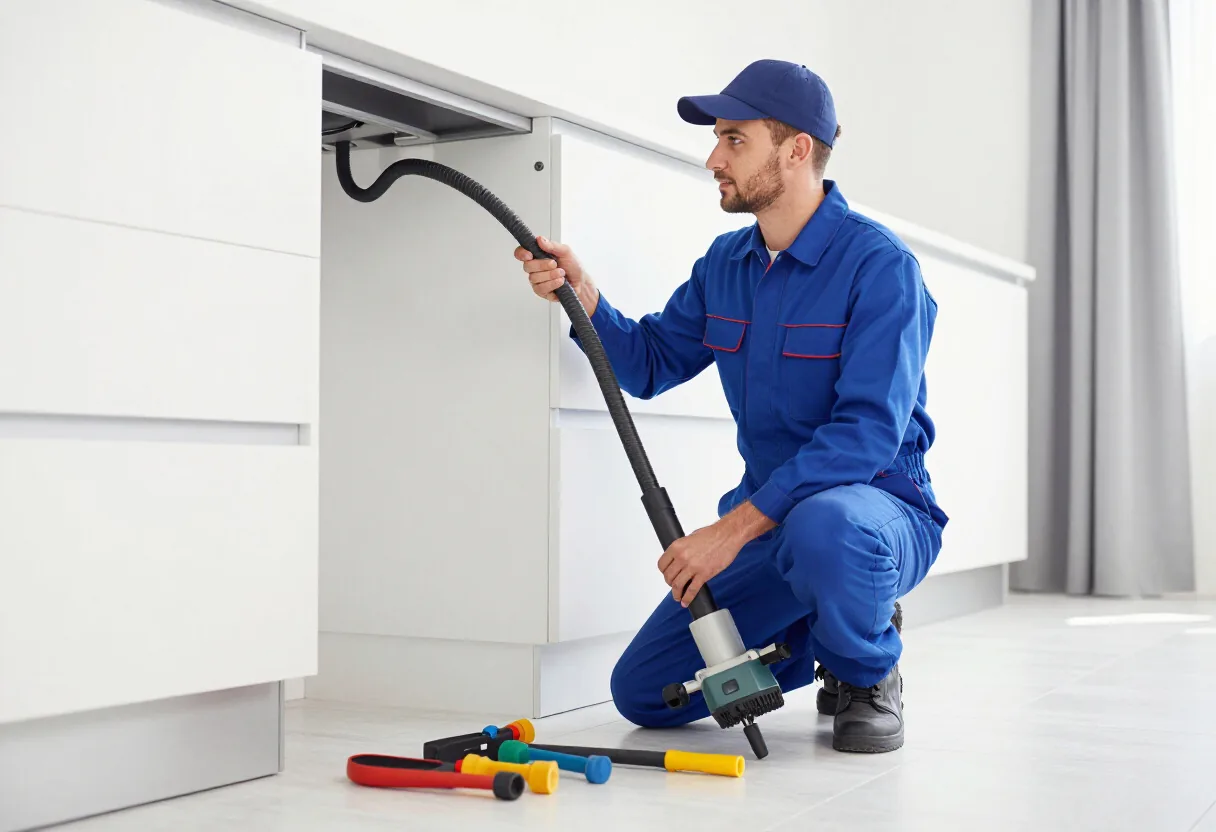
New York City's drains serve one of the oldest and densest housing stocks in the country. Pre-war co-ops, brownstones, and walk-ups in Manhattan and Brooklyn often still run on original cast iron drain stacks and clay house traps, while combined sewers in older neighborhoods fill quickly during heavy rain. When that happens, basement drains and first-floor fixtures are usually the first to back up.
The city's street trees are another major factor. London plane, honey locust, maple, and oak roots work into cracked joints and old clay laterals, especially in outer-borough neighborhoods with mature tree cover. Freeze-thaw cycles in January and February add stress to exposed pipes, and restaurant-dense corridors deal with heavy grease loads every week.
Tell us what is happening and we will connect you with an independent local professional who handles it.
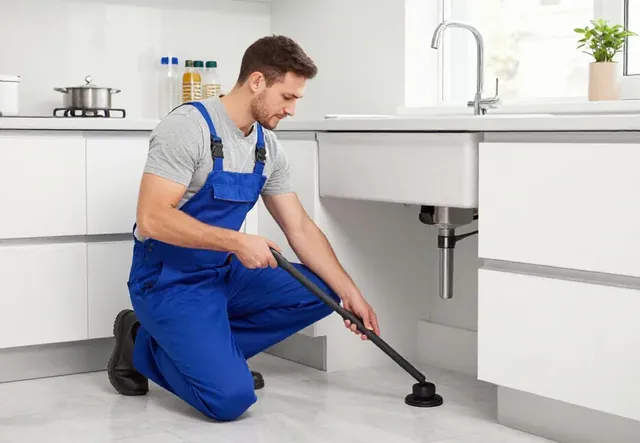
Professional drain cleaning for New York homes and businesses. Local providers clear kitchen, bathroom, floor, and main line blockages with professional equipment.
Call for help — (888) 205-1556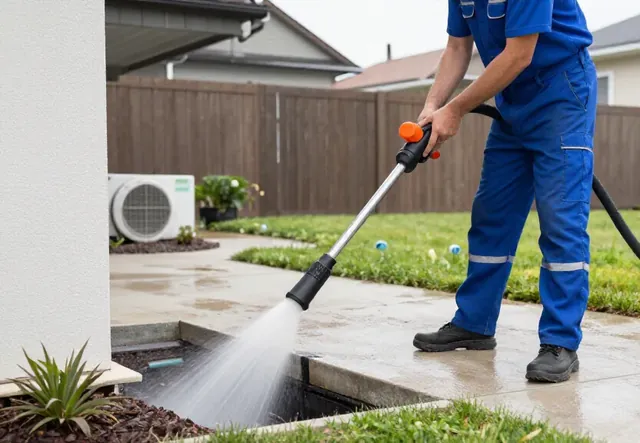
High-pressure hydro jetting removes grease, roots, and scale from New York sewer lines. A camera inspection checks pipe condition before pressure is applied.
Call for help — (888) 205-1556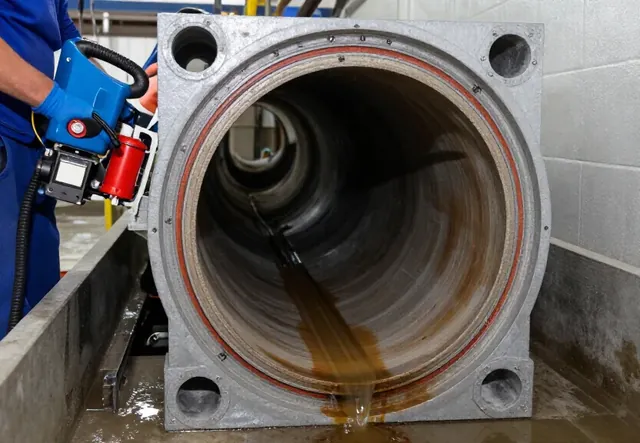
Sewer line cleaning and maintenance for New York properties, from the house trap to the municipal connection. Camera inspection can locate roots, cracks, and offsets.
Call for help — (888) 205-1556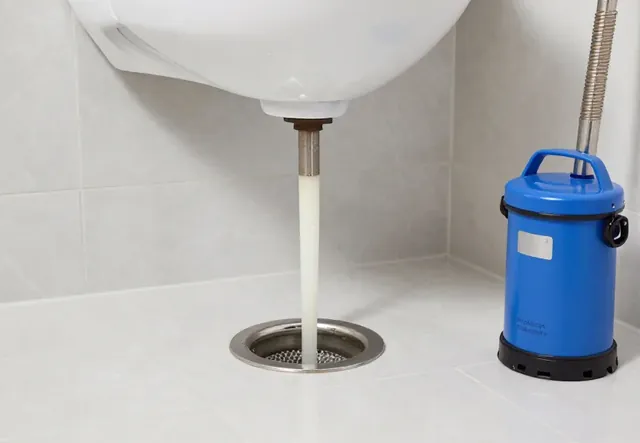
Fast help for standing water, recurring clogs, and blockages in sinks, tubs, toilets, and main lines.
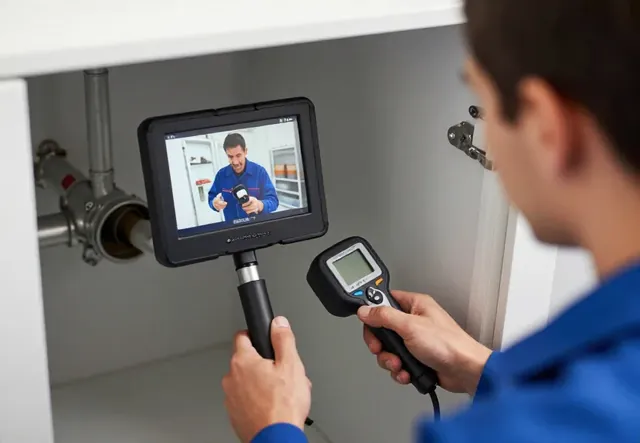
Video inspection identifies clogs, cracks, and root intrusion without digging up the yard.
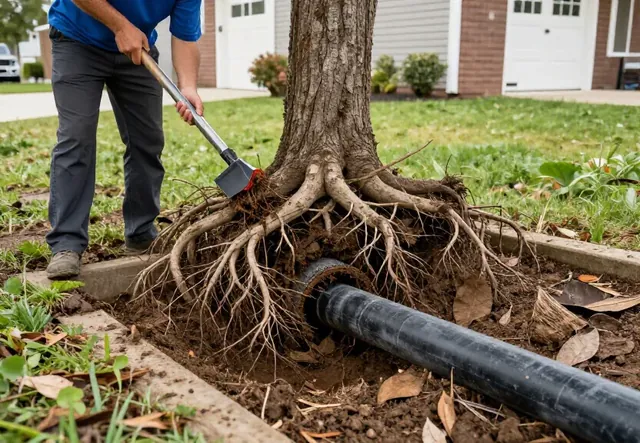
Mechanical cutting and hydro jetting clear invasive roots from New York sewer lines.
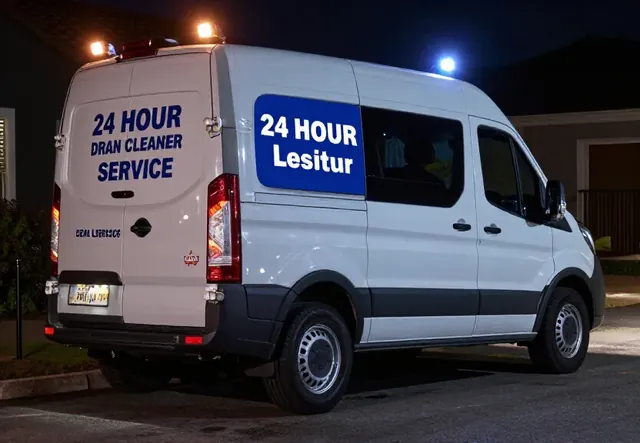
24/7 emergency calls for urgent clogs, backups, and overflows, subject to local availability.
No forms, no apps, no waiting on a callback. One call gets you to a local drain professional.
Tell us you are in New York and describe the problem — a slow sink, a backup, or a sewage smell.
We route your call to an independent drain professional serving New York and nearby areas, subject to availability.
Confirm the diagnosis, scope, and price with the provider before any work begins.
Small drain problems rarely fix themselves. These are the signals homeowners call about most often.
Stop running water, keep people away from the affected area, and call to check emergency availability in your city.
Call now — 24/7Building type matters as much as neighborhood. Manhattan pre-war apartments usually have small kitchen stacks and shared vertical drains, Brooklyn brownstones have garden-level floor drains and front-area cleanouts, Queens two-family homes often have long lateral runs, and Staten Island detached houses may have older septic connections. In the Bronx and Upper Manhattan, aging cast iron and galvanized lines are common.
The city's water is generally moderate in hardness, but scale still builds in older galvanized and cast iron piping. Winter freezing, summer basement seepage, and grease from thousands of restaurants create predictable seasonal call patterns. For brownstones and pre-war buildings, a camera inspection is often the fastest way to separate a simple clog from a cracked or root-filled lateral.
Answers to the questions homeowners in New York ask most often.
Grease from restaurant and apartment kitchens, hair and soap scum in shared bathroom stacks, tree roots in outer-borough clay laterals, and scale buildup in older cast iron are the most common causes. Basement backups after heavy rain often point to a combined sewer surcharge or a blocked house trap rather than a single fixture clog.
It can be, but the pipe has to be evaluated first. Pre-war cast iron, clay, and galvanized lines may be thin or cracked, so a camera inspection is used to check condition before pressure is applied. If the line is badly deteriorated, snaking or spot repair may be the safer choice.
Most apartments and homes do well with annual preventive cleaning. Brownstones, outer-borough houses with mature street trees, and buildings with heavy grease loads may need service every six to twelve months. Shared stacks in pre-war buildings benefit from a camera inspection every few years.
Emergency drain and sewer calls are handled 24/7 in most markets. If sewage is backing up, stop using water, keep people away from the affected area, and call to confirm availability in your borough. After-hours and weekend coverage varies by provider and demand.
We connect homeowners across Manhattan, Brooklyn, Queens, the Bronx, and Staten Island, including areas such as the Upper West Side, Park Slope, Astoria, Flushing, Riverdale, and St. George. Coverage depends on the independent provider's service area and current availability.
Ask the provider for their license number and certificate of insurance before work begins. New York City and surrounding municipalities have different licensing rules, so confirm requirements with the local buildings or consumer affairs office. PlumberssNearMe does not perform the work and does not guarantee any contractor's work.
Understand the problem first. These guides explain what you are seeing and when it is time to call.
Know when a slow drain is actually a main line problem — and what to check first.
Read the guide →How high-pressure cleaning differs from snaking, and when it is the better call.
Read the guide →Simple habits that keep kitchen, bathroom, and laundry drains flowing.
Read the guide →