Sewer Lines
Main Sewer Line Clog Warning Signs
Know when a slow drain is actually a main line problem — and what to check first.
Read the guide →Clogged drain repair, hydro jetting, and sewer line cleaning for Miami homes and businesses. Call any time — day or night.
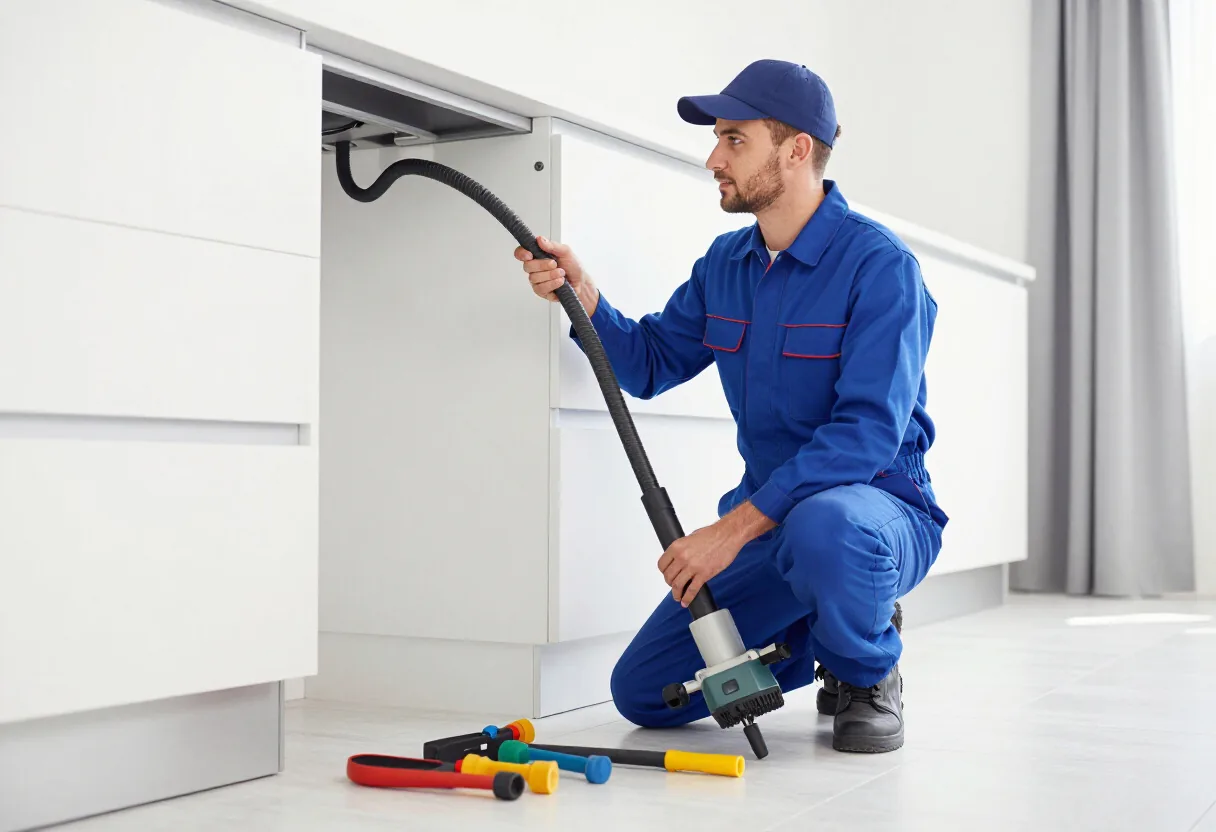
Miami's hot, humid climate and heavy seasonal rainfall create unique challenges for residential and commercial drainage systems. The combination of intense heat causing pipe expansion, corrosive salt air near the coast, and saturated limestone soil during hurricane season puts constant stress on underground pipes throughout Miami-Dade County.
Many neighborhoods feature mature trees with aggressive root systems seeking moisture in our high water table, while older homes in areas like Coral Gables and Miami Beach often have aging cast iron or clay pipes prone to scale buildup and cracks. These local factors make regular professional drain maintenance essential for Miami property owners.
Tell us what is happening and we will connect you with an independent local professional who handles it.
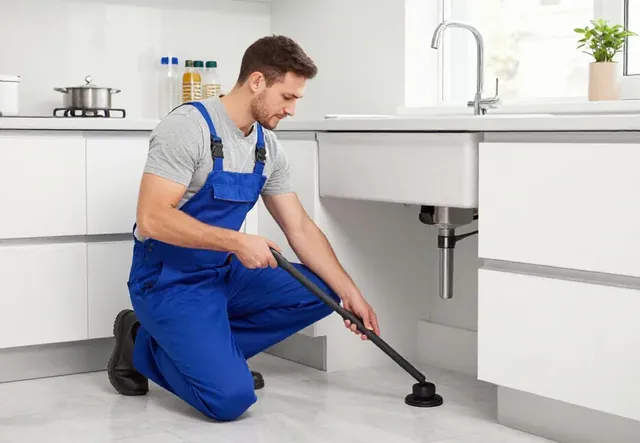
Professional drain cleaning removes buildup and restores flow in kitchen sinks, bathroom drains, and main sewer lines throughout your Miami property.
Call for help — (888) 205-1556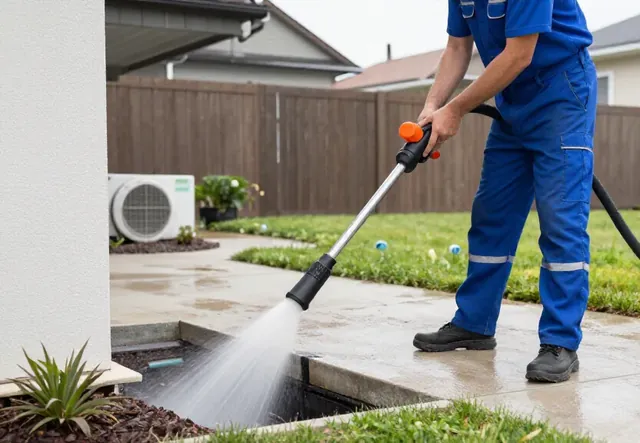
Hydro jetting uses high-pressure water jets to blast away years of grease, scale, and tree roots from drain and sewer lines.
Call for help — (888) 205-1556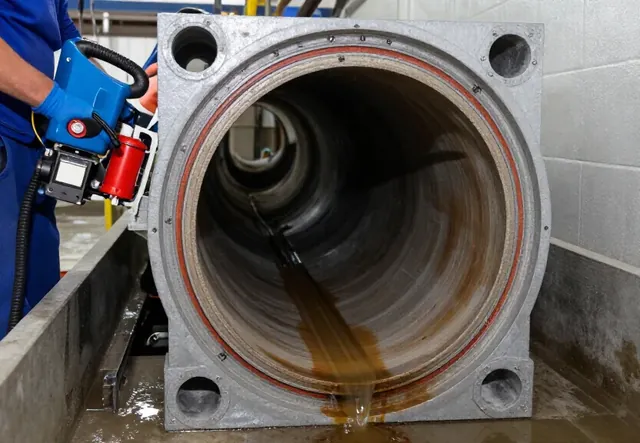
Sewer line cleaning prevents backups and removes obstructions in your main line using professional snaking and hydro jetting equipment.
Call for help — (888) 205-1556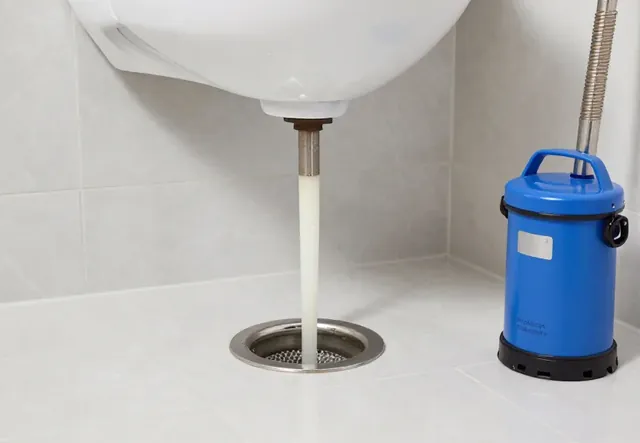
Fast clogged drain repair clears blockages from grease, hair, soap scum, and debris. We restore proper drainage without damaging your pipes.
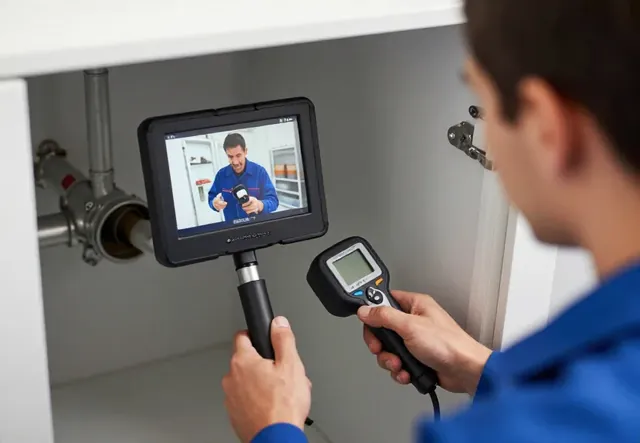
Video pipe inspection locates clogs, cracks, and tree root intrusion inside your drains with a waterproof camera for accurate diagnosis.
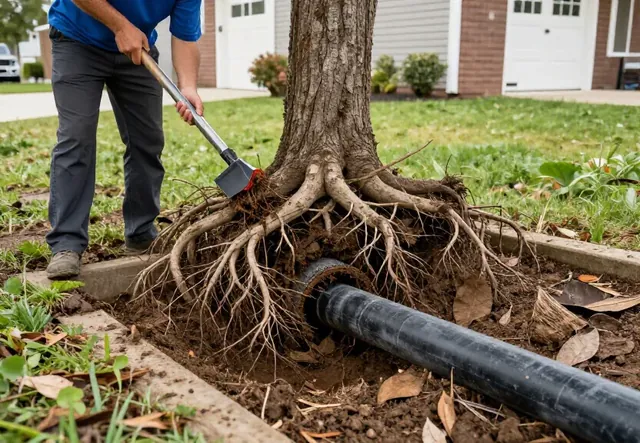
Tree root removal clears invasive roots from banyan, ficus, and oak trees that penetrate Miami's sewer lines seeking moisture.

24/7 emergency drain service responds to backups, overflows, and sewer emergencies across Miami-Dade County day or night.
No forms, no apps, no waiting on a callback. One call gets you to a local drain professional.
Tell us you are in Miami and describe the problem — a slow sink, a backup, or a sewage smell.
We route your call to an independent drain professional serving Miami and nearby areas, subject to availability.
Confirm the diagnosis, scope, and price with the provider before any work begins.
Small drain problems rarely fix themselves. These are the signals homeowners call about most often.
Stop running water, keep people away from the affected area, and call to check emergency availability in your city.
Call now — 24/7Miami's subtropical climate accelerates pipe deterioration and clog formation in ways other cities don't experience. The relentless summer heat causes PVC pipes to expand and contract, creating separation points where roots invade. Our high humidity promotes bacterial growth inside drains, while hurricane season dumps massive rainfall that overwhelms compromised sewer lines. The region's porous limestone soil offers little stability for aging pipes, and Miami's high water table means sewer lines stay constantly moist—attracting thirsty tree roots that exploit any crack or joint.
Local tree species pose significant threats to underground infrastructure. Massive banyan trees in Coconut Grove, invasive ficus roots in Coral Gables, and live oaks throughout Miami-Dade send powerful root systems into sewer lines. Historic neighborhoods like Little Havana, Morningside, and Miami Beach's Art Deco district have 50-100 year old cast iron pipes that have corroded from the inside out. Modern high-rise condos in Brickell and Edgewater face grease and debris clogs from dense occupancy. Local technicians understand these Miami-specific challenges and use specialized equipment designed for Florida's unique soil conditions and infrastructure age.
Answers to the questions homeowners in Miami ask most often.
Miami's hard water creates mineral buildup, while heat and humidity accelerate grease accumulation inside pipes. Tree roots from banyan and ficus trees aggressively invade sewer lines, and hurricane debris often enters outdoor drains. Older cast iron pipes in historic neighborhoods also corrode internally, causing repeated blockages.
Intense heat expands PVC pipes, creating joint separations that allow root intrusion. High humidity promotes bacterial slime buildup inside drains. Heavy hurricane rainfall saturates soil and increases pressure on sewer lines. Salt air near the coast also corrodes metal pipes faster than inland areas.
Local technicians adjust water pressure based on pipe condition and material. For Miami's older cast iron pipes, we use lower pressure settings and perform camera inspections first. Hydro jetting is often safer than mechanical snakes for fragile pipes, as it uses water rather than metal blades.
Miami homes should schedule professional drain cleaning every 12-18 months due to our climate. Properties with large trees nearby or older plumbing benefit from annual service. High-usage commercial kitchens may need quarterly hydro jetting to prevent grease clogs.
Banyan trees have the most destructive root systems, followed by ficus, live oak, and mahogany trees. These species thrive in Miami's climate and send roots far distances seeking water. Roots can infiltrate pipes up to 100 feet away from the tree trunk.
Yes. Install backflow preventers before June 1st, clear outdoor drains of debris monthly, and schedule a pre-season camera inspection. Avoid putting grease down drains during storm prep cooking, and ensure sump pumps are clean. Emergency service is available 24/7 if backups occur during storms.
Understand the problem first. These guides explain what you are seeing and when it is time to call.
Know when a slow drain is actually a main line problem — and what to check first.
Read the guide →How high-pressure cleaning differs from snaking, and when it is the better call.
Read the guide →Simple habits that keep kitchen, bathroom, and laundry drains flowing.
Read the guide →