Sewer Lines
Main Sewer Line Clog Warning Signs
Know when a slow drain is actually a main line problem — and what to check first.
Read the guide →Clogged drain repair, hydro jetting, and sewer line cleaning for Hot Springs homes and businesses. Call any time — day or night.

Hot Springs, Arkansas faces unique drain and sewer challenges due to its world-famous thermal springs and historic infrastructure. The mineral-rich water that draws visitors can leave deposits inside pipes, while many homes in historic districts like Central Avenue and the Bathhouse Row area still operate with original clay or cast iron sewer lines from the early 1900s. Combined with the region's dense clay soil and mature tree canopy, these factors create perfect conditions for persistent clogs, root intrusion, and pipe deterioration.
The local climate compounds these issues, with hot, humid summers causing ground expansion and pipe stress, while variable winters bring freeze-thaw cycles that crack aging lines. Garland County's abundant oak, hickory, and pine trees aggressively seek moisture from sewer lines, leading to severe root blockages. Without regular professional maintenance, Hot Springs homeowners and businesses experience slow drains, sewage backups, and costly emergency repairs that disrupt daily life and tourism operations.
Tell us what is happening and we will connect you with an independent local professional who handles it.
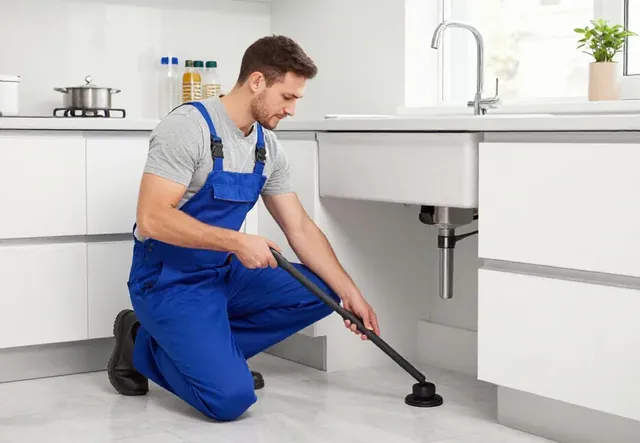
Expert drain cleaning services for kitchen, bathroom, and main sewer lines using professional equipment and techniques.
Call for help — (888) 205-1556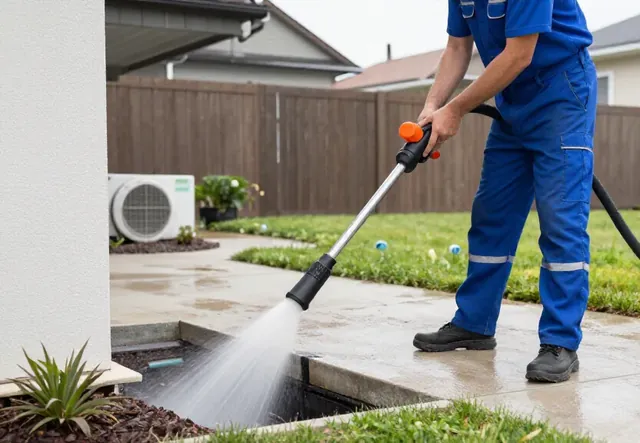
High-pressure hydro jetting blasts away stubborn clogs, scale buildup, and tree roots from pipes and sewer lines.
Call for help — (888) 205-1556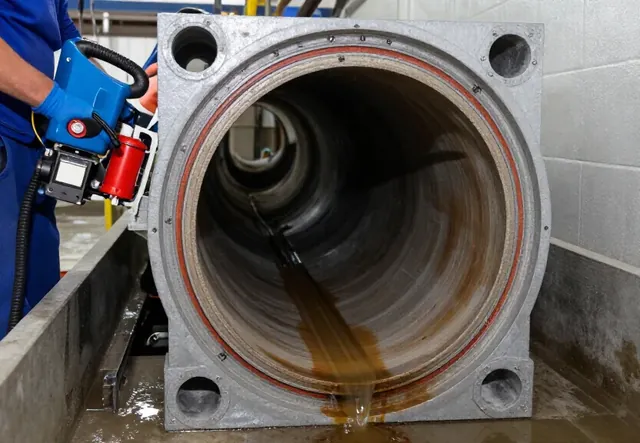
Professional sewer line cleaning prevents backups and removes blockages from your main drain system.
Call for help — (888) 205-1556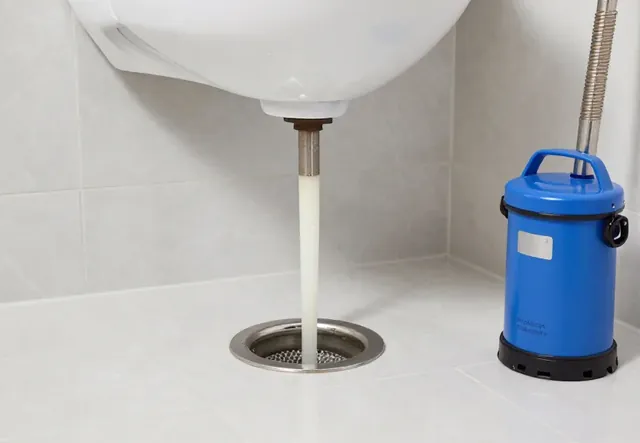
Fast clogged drain repair removes blockages from hair, grease, soap scum, and debris to restore proper flow.

Video camera inspection identifies clogs, cracks, and pipe damage without digging or guesswork.
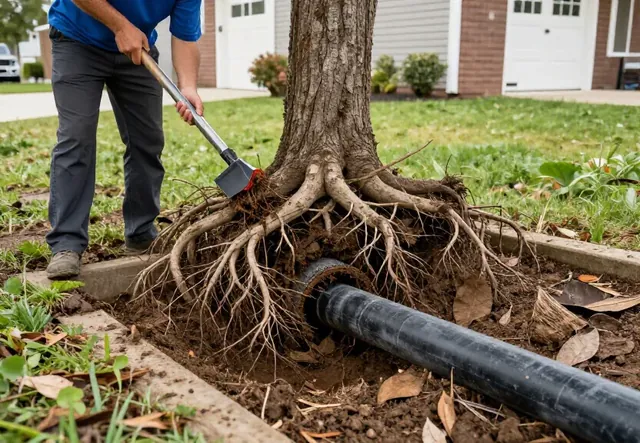
Specialized tree root removal clears invasive roots from sewer lines using hydro jetting and cutting tools.

24/7 emergency drain service for sudden clogs, backups, and overflows in Hot Springs homes and businesses.
No forms, no apps, no waiting on a callback. One call gets you to a local drain professional.
Tell us you are in Hot Springs and describe the problem — a slow sink, a backup, or a sewage smell.
We route your call to an independent drain professional serving Hot Springs and nearby areas, subject to availability.
Confirm the diagnosis, scope, and price with the provider before any work begins.
Small drain problems rarely fix themselves. These are the signals homeowners call about most often.
Stop running water, keep people away from the affected area, and call to check emergency availability in your city.
Call now — 24/7Hot Springs' unique geothermal environment creates drain cleaning challenges unseen in other Arkansas communities. The thermal spring water contains high concentrations of calcium carbonate and other minerals that gradually accumulate inside pipes, reducing flow capacity by up to 40% in just a few years. Historic neighborhoods around Bathhouse Row and the downtown district feature century-old cast iron and clay tile sewer lines that have never been replaced, making them vulnerable to collapse and severe root intrusion from the mature oak and hickory trees that line the city's scenic streets.
Garland County's heavy clay soil expands dramatically during Hot Springs' rainy spring seasons and contracts during hot, dry summers, causing underground pipes to shift, separate, and crack. This soil movement, combined with aggressive root growth from native shortleaf pine and sweetgum trees, creates constant pressure on sewer lines. Local restaurants and hotels along Central Avenue face additional strain from high-volume kitchen grease and guest usage, requiring more frequent hydro jetting services to prevent major blockages that could impact the city's vital tourism economy.
Answers to the questions homeowners in Hot Springs ask most often.
Mineral deposits from thermal spring water, tree roots from oak and hickory trees, aging cast iron pipes in historic districts, and grease buildup are the primary culprits. The unique combination of geothermal minerals and mature tree canopies creates more frequent clogs than in other Arkansas cities.
Thermal spring water leaves calcium carbonate deposits that narrow pipe diameter over time, reducing flow and trapping debris. These mineral scales can reduce pipe capacity by up to 40% and require professional descaling or hydro jetting to restore proper drainage.
Yes, when performed by professionals who adjust pressure for fragile cast iron or clay tiles, hydro jetting safely removes buildup without damaging historic plumbing. Local technicians use variable pressure settings and camera inspections first to assess pipe condition before cleaning.
Homes with mature trees or mineral water exposure should schedule annual cleaning; others benefit from professional cleaning every 18-24 months. Properties near Bathhouse Row or downtown may need more frequent service due to aging infrastructure and aggressive root systems.
Absolutely. Oak, hickory, and pine roots aggressively penetrate clay and cast iron pipes through tiny cracks, causing severe blockages and pipe collapse if not removed. Roots can grow up to 18 inches per year and completely fill a sewer line within two years of initial intrusion.
Call our 24/7 emergency drain service immediately. Avoid chemical drain cleaners and stop using water to prevent sewage overflow until professionals arrive. Local technicians carry equipment to handle emergencies any time, including weekends and holidays when Hot Springs tourism peaks.
Understand the problem first. These guides explain what you are seeing and when it is time to call.
Know when a slow drain is actually a main line problem — and what to check first.
Read the guide →How high-pressure cleaning differs from snaking, and when it is the better call.
Read the guide →Simple habits that keep kitchen, bathroom, and laundry drains flowing.
Read the guide →