Sewer Lines
Main Sewer Line Clog Warning Signs
Know when a slow drain is actually a main line problem — and what to check first.
Read the guide →Clogged drain repair, hydro jetting, and sewer line cleaning for Great Falls homes and businesses. Call any time — day or night.
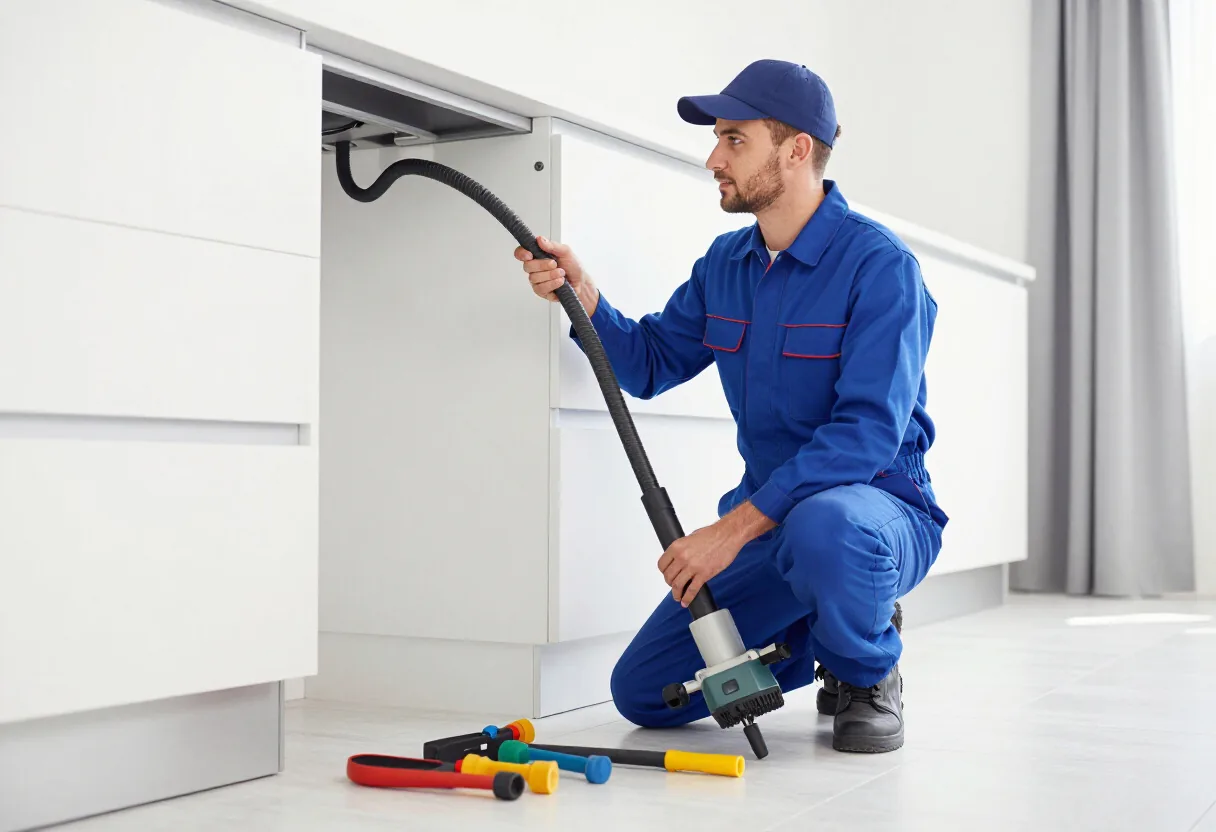
Great Falls homeowners face unique drain challenges from Montana's harsh freeze-thaw cycles. Cold winters cause ground movement that stresses aging clay and cast iron sewer lines, while heavy spring runoff saturates soil around pipe joints, creating perfect conditions for collapse and root intrusion.
Many neighborhoods still rely on original infrastructure from the 1950s-1970s, with brittle pipes that crack under seasonal soil shifting. Local cottonwood and willow trees aggressively seek moisture, filling compromised lines with dense root masses that standard snaking cannot clear.
Tell us what is happening and we will connect you with an independent local professional who handles it.
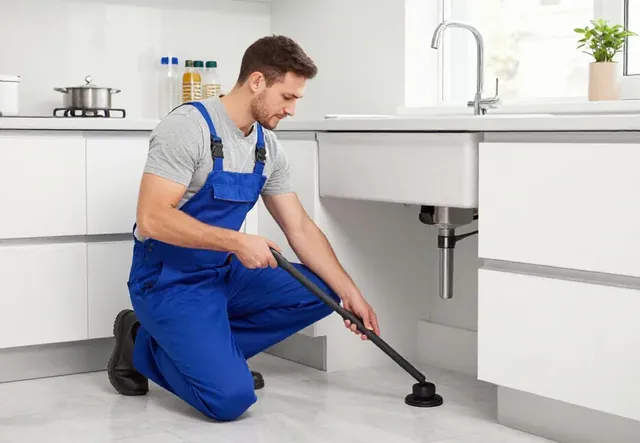
Comprehensive drain cleaning services for kitchen sinks, bathroom drains, floor drains, and main sewer lines using professional-grade equipment.
Call for help — (888) 205-1556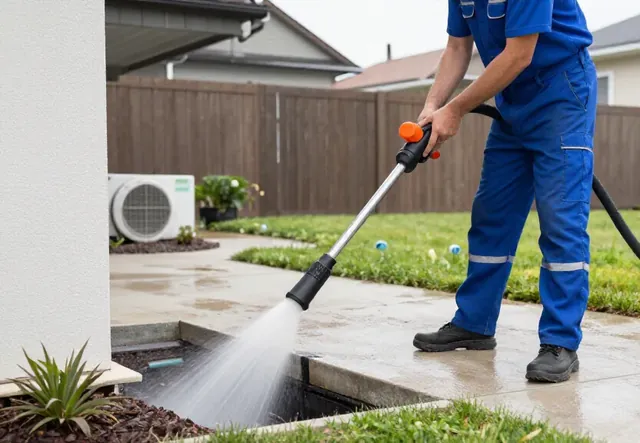
High-pressure hydro jetting blasts away grease, scale, and roots with 4,000 PSI water streams for long-lasting pipe cleaning.
Call for help — (888) 205-1556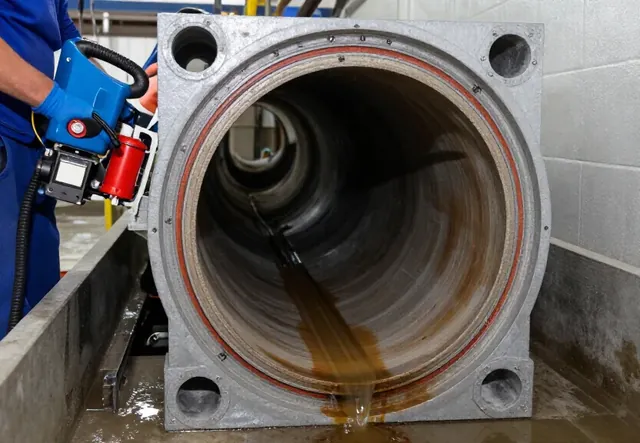
Sewer line cleaning and descaling services restore proper flow in main drains and lateral lines with minimal disruption.
Call for help — (888) 205-1556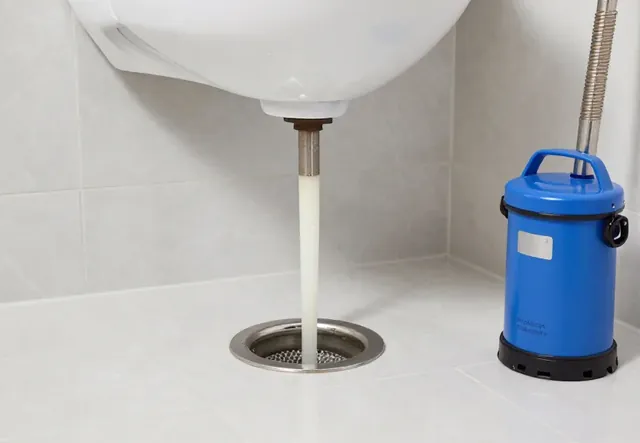
Fast clogged drain repair with motorized augers and specialized cutting tools to remove blockages without damaging your pipes.

Video pipe inspection locates clogs, cracks, and root intrusion with waterproof cameras for accurate diagnostics.
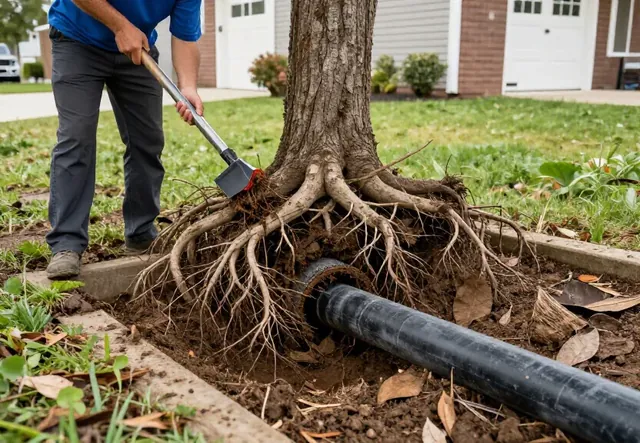
Tree root removal from drains using mechanical cutting and hydro jetting to eliminate root masses and prevent regrowth.

24/7 emergency drain services for backups, overflows, and urgent clogs in Great Falls and surrounding Cascade County.
No forms, no apps, no waiting on a callback. One call gets you to a local drain professional.
Tell us you are in Great Falls and describe the problem — a slow sink, a backup, or a sewage smell.
We route your call to an independent drain professional serving Great Falls and nearby areas, subject to availability.
Confirm the diagnosis, scope, and price with the provider before any work begins.
Small drain problems rarely fix themselves. These are the signals homeowners call about most often.
Stop running water, keep people away from the affected area, and call to check emergency availability in your city.
Call now — 24/7Great Falls' location along the Missouri River creates a high water table in areas like River Drive and Fox Farm, accelerating pipe deterioration. The city's heavy clay soil expands dramatically when wet, shifting underground lines and separating joints. Cottonwoods, the most common tree species in our parks and older neighborhoods, send roots deep into sewer lines seeking nutrients, causing complete blockages that require professional rooter service.
Historic districts near downtown feature century-old cast iron drains that corrode from the inside out, narrowing to 50% capacity before homeowners notice symptoms. The extreme temperature swings—from 20°F winters to 85°F summers—cause pipes to continuously expand and contract, loosening connections. Annual hydro jetting maintenance is essential for homes built before 1980 to prevent catastrophic sewer backups during spring thaw when ground saturation peaks.
Answers to the questions homeowners in Great Falls ask most often.
Montana's cold winters increase grease solidification in pipes, while local cottonwood and willow roots aggressively invade aging clay sewer lines. Combined with 50-year-old cast iron corrosion, these factors create recurring blockages that require professional drain cleaning rather than chemical solutions.
Yes, when performed by trained technicians. We adjust pressure based on pipe condition—vintage cast iron and clay lines receive lower PSI to prevent damage while still removing scale and roots. A camera inspection first identifies vulnerable sections.
Freeze-thaw cycles cause soil movement that cracks brittle pipes, allowing root intrusion. Cold temperatures also solidify grease and soap buildup. We recommend pre-winter drain cleaning and spring hydro jetting to remove seasonal accumulations.
Cottonwoods and willows along the Missouri River corridor are most aggressive. Their roots can travel 100+ feet seeking moisture, easily infiltrating 3-6 inch sewer lines. Boxelder and green ash also cause issues in residential areas.
Homes built before 1990 need annual hydro jetting. Newer homes with PVC lines benefit from cleaning every 18-24 months. Properties with large trees should schedule camera inspections every 12 months to catch root intrusion early.
Yes, we provide round-the-clock emergency service throughout Cascade County, including Malmstrom AFB, Black Eagle, and surrounding areas. Service trucks are equipped for immediate response to backups and overflows.
Understand the problem first. These guides explain what you are seeing and when it is time to call.
Know when a slow drain is actually a main line problem — and what to check first.
Read the guide →How high-pressure cleaning differs from snaking, and when it is the better call.
Read the guide →Simple habits that keep kitchen, bathroom, and laundry drains flowing.
Read the guide →