Sewer Lines
Main Sewer Line Clog Warning Signs
Know when a slow drain is actually a main line problem — and what to check first.
Read the guide →Clogged drain repair, hydro jetting, and sewer line cleaning for Copperas Cove homes and businesses. Call any time — day or night.

Copperas Cove homeowners face unique drain and sewer challenges due to Central Texas' extreme climate swings and clay-heavy soils. Hot summers cause ground expansion that shifts pipes, while occasional winter freezes create cracks where roots invade. The combination of aging infrastructure in older neighborhoods near Fort Hood and aggressive tree growth makes routine drain maintenance essential for preventing costly backups.
Local clay soils retain moisture and expand dramatically during rainy periods, putting pressure on sewer lines and creating separation points where debris accumulates. Many homes built in the 1960s and 1970s still have original cast iron or clay tile pipes that corrode and crack over time. Texas oak, cedar, and pecan trees common throughout Copperas Cove send invasive roots seeking water sources, often penetrating pipe joints and causing severe blockages that require professional root removal services.
Tell us what is happening and we will connect you with an independent local professional who handles it.

Professional drain cleaning removes buildup, grease, and debris from kitchen sinks, bathroom drains, and main lines using specialized equipment for lasting results.
Call for help — (888) 205-1556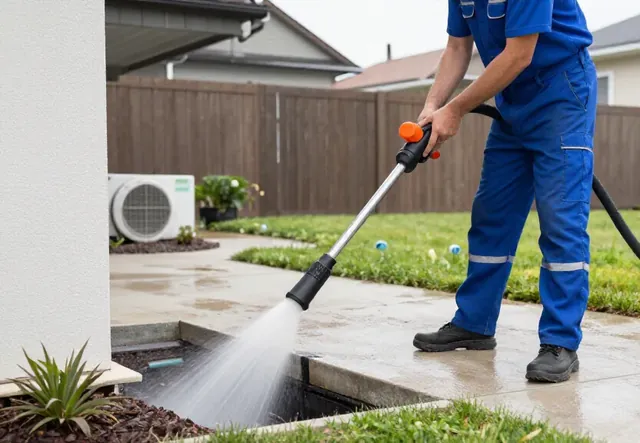
High-pressure hydro jetting blasts away years of scale, grease, and tree roots from sewer lines using 4,000 PSI water streams for thorough pipe cleaning.
Call for help — (888) 205-1556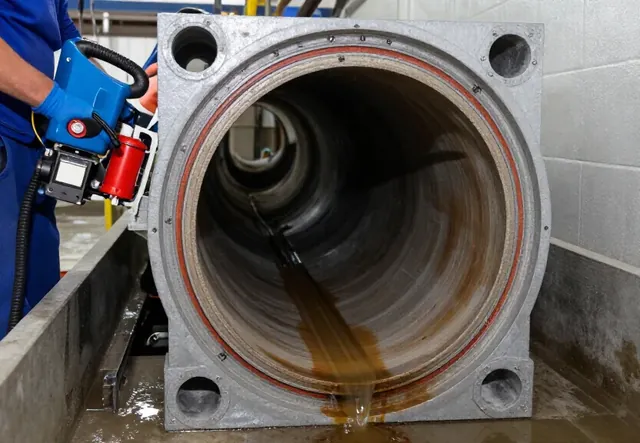
Sewer line cleaning and maintenance prevents backups and costly repairs by clearing main line obstructions and identifying potential pipe failures early.
Call for help — (888) 205-1556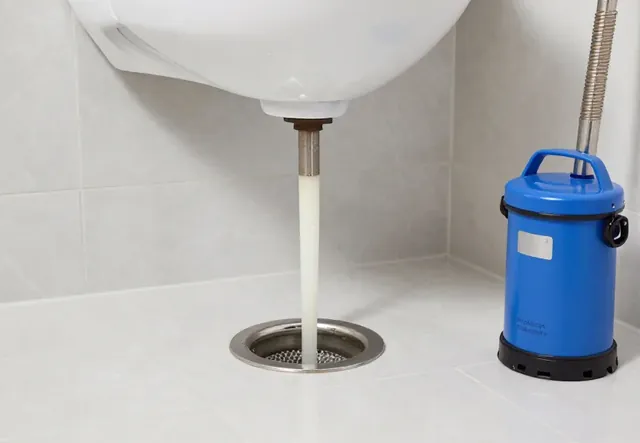
Our clogged drain repair service quickly clears blockages from toilets, showers, and floor drains with motorized snakes and augers to restore proper flow.

Video pipe inspection uses waterproof cameras to locate clogs, cracks, and root intrusion inside drains, providing accurate diagnostics without digging.
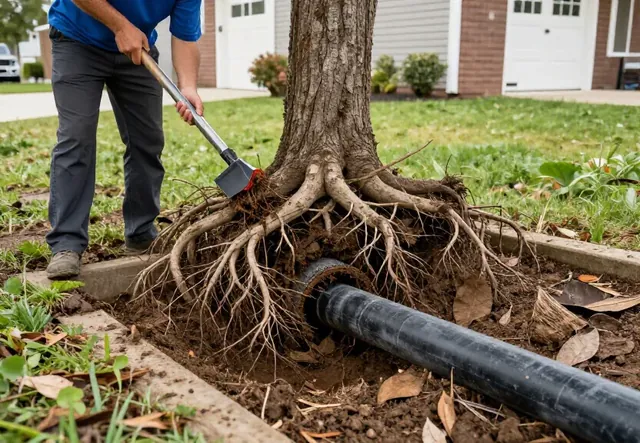
Tree root removal extracts invasive roots from sewer pipes using cutting heads and hydro jetting to protect your drainage system from recurring blockages.

24/7 emergency drain service responds day or night to sewage backups and severe clogs throughout Copperas Cove with fully equipped service vehicles.
No forms, no apps, no waiting on a callback. One call gets you to a local drain professional.
Tell us you are in Copperas Cove and describe the problem — a slow sink, a backup, or a sewage smell.
We route your call to an independent drain professional serving Copperas Cove and nearby areas, subject to availability.
Confirm the diagnosis, scope, and price with the provider before any work begins.
Small drain problems rarely fix themselves. These are the signals homeowners call about most often.
Stop running water, keep people away from the affected area, and call to check emergency availability in your city.
Call now — 24/7Copperas Cove's location in the Lampasas River valley creates specific drainage challenges for property owners. The area's limestone bedrock and shallow topsoil mean many sewer lines run through rocky terrain where pipes shift and crack more easily. During summer droughts, soil contraction leaves gaps around pipes, while sudden thunderstorms saturate the ground and cause rapid expansion—this cycle stresses pipe joints and creates entry points for aggressive Texas tree roots. Neighborhoods around the original Fort Hood expansion areas often have 60-year-old clay tile sewer systems that deteriorate faster in these soil conditions.
Local vegetation significantly impacts drain health in Copperas Cove. Texas red oak, live oak, and cedar elm trees send powerful root systems into sewer lines, especially during dry periods when they seek moisture. Pecan trees common in older residential lots are particularly problematic, with roots that can completely fill a 6-inch sewer line within two years. Our hydro jetting service is specifically calibrated to cut through these tough Central Texas roots while preserving pipe integrity. We understand the local building codes and common pipe materials used in Coryell County developments, ensuring our drain cleaning methods match your home's specific plumbing system.
Answers to the questions homeowners in Copperas Cove ask most often.
Drain cleaning pricing depends on the type of clog, pipe access, and the method required. A camera inspection can clarify the scope, and you can confirm the price directly with the provider before work begins.
Yes, when performed by trained technicians. We adjust water pressure based on pipe material and condition. For aging clay or cast iron pipes common in older Copperas Cove homes, we use lower PSI settings and camera inspection first to assess pipe integrity.
For most Copperas Cove homes, annual drain cleaning prevents major blockages. Homes with large trees nearby or older sewer lines benefit from cleaning every 6-9 months. Kitchen drains with heavy grease use should be cleaned quarterly to prevent buildup.
Central Texas drought conditions force oak, cedar, and pecan roots to seek moisture in sewer lines. Clay soil expansion creates pipe separations, and the area's rocky terrain causes pipe shifting. Once roots enter, they grow rapidly, requiring professional root removal and hydro jetting.
Multiple slow drains, gurgling toilets, sewage odors, or water backing up in showers indicate main line problems. Green patches in your yard during drought or sinkholes near sewer lines suggest pipe damage requiring immediate camera inspection and cleaning.
Yes, we provide 24/7 emergency drain cleaning throughout Copperas Cove, including the Fort Hood area, Harker Heights border, and all Coryell County neighborhoods. Local technicians are typically dispatched as quickly as local availability allows for urgent sewage backups and severe clogs.
Understand the problem first. These guides explain what you are seeing and when it is time to call.
Know when a slow drain is actually a main line problem — and what to check first.
Read the guide →How high-pressure cleaning differs from snaking, and when it is the better call.
Read the guide →Simple habits that keep kitchen, bathroom, and laundry drains flowing.
Read the guide →