Sewer Lines
Main Sewer Line Clog Warning Signs
Know when a slow drain is actually a main line problem — and what to check first.
Read the guide →Clogged drain repair, hydro jetting, and sewer line cleaning for Carthage homes and businesses. Call any time — day or night.

Carthage homeowners face unique drain and sewer challenges due to the region's dramatic seasonal temperature swings. Cold Missouri winters cause ground freeze-thaw cycles that shift soil and stress underground pipes, while warm summers accelerate grease buildup and tree root growth. These climate factors, combined with the area's clay-heavy soil common throughout the Ozarks, create perfect conditions for pipe misalignment, cracks, and stubborn blockages.
Many neighborhoods in Carthage, particularly historic districts with homes dating back to the 1800s, still rely on aging clay tile and cast iron sewer lines. These older materials are especially vulnerable to invasive tree roots from mature oak, maple, and hickory trees that line residential streets. As roots seek moisture, they penetrate tiny pipe joints and cracks, eventually causing severe clogs and structural damage that require professional intervention.
Tell us what is happening and we will connect you with an independent local professional who handles it.

Professional drain cleaning removes years of buildup from kitchen, bathroom, and main sewer lines using specialized equipment for lasting results.
Call for help — (888) 205-1556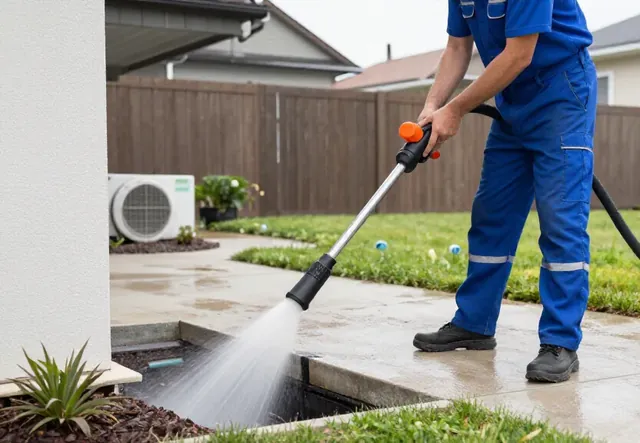
High-pressure hydro jetting eliminates grease, sludge, and tree roots from pipes, providing thorough cleaning without damaging your plumbing.
Call for help — (888) 205-1556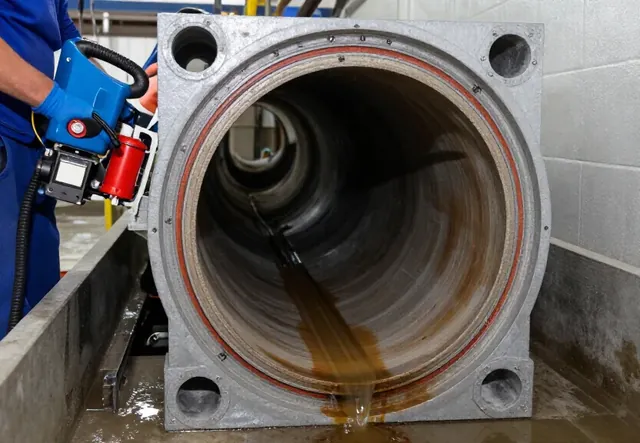
Comprehensive sewer line cleaning removes obstructions and buildup from main lines, preventing backups and protecting your entire drainage system.
Call for help — (888) 205-1556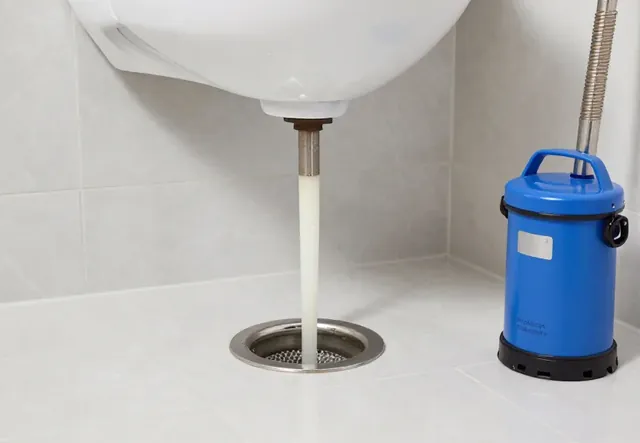
Expert clogged drain repair quickly clears blockages from sinks, toilets, and showers, restoring proper flow with minimal property disruption.

Advanced video camera inspections locate clogs, cracks, and pipe damage deep within your system, ensuring accurate diagnosis and targeted repairs.
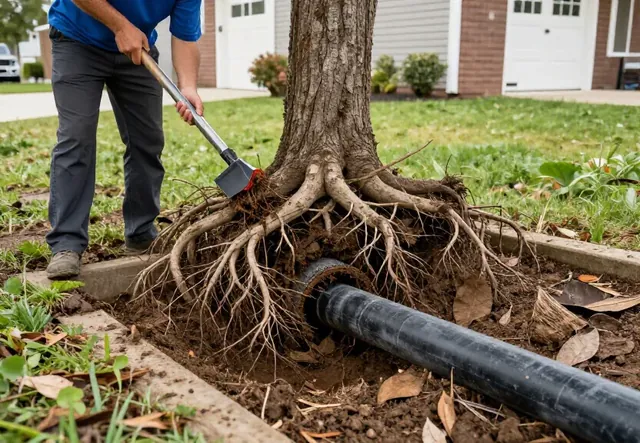
Specialized tree root removal cuts through invasive roots in sewer lines and drains, preventing pipe damage and eliminating recurring backups.

24/7 emergency drain services respond day or night to urgent clogs, backups, and overflows throughout Carthage and surrounding areas.
No forms, no apps, no waiting on a callback. One call gets you to a local drain professional.
Tell us you are in Carthage and describe the problem — a slow sink, a backup, or a sewage smell.
We route your call to an independent drain professional serving Carthage and nearby areas, subject to availability.
Confirm the diagnosis, scope, and price with the provider before any work begins.
Small drain problems rarely fix themselves. These are the signals homeowners call about most often.
Stop running water, keep people away from the affected area, and call to check emergency availability in your city.
Call now — 24/7The freeze-thaw cycles in Carthage's continental climate put tremendous stress on underground drainage systems. When winter temperatures drop below freezing, soil contracts and can shift pipe sections apart at the joints. Spring thaws bring saturated ground conditions that increase hydrostatic pressure on pipes. Local properties with poor drainage or those situated on Carthage's characteristic clay slopes experience accelerated pipe deterioration, making routine professional cleaning essential for preventing catastrophic failures during heavy spring rains.
Carthage's historic districts, including areas around the downtown square and older residential neighborhoods near Oak Street, contain mature tree canopies with root systems that aggressively seek out sewer line moisture. Silver maple, red oak, and shagbark hickory—common throughout Jasper County—send feeder roots into pipe joints as small as 1/8 inch wide. Once established, these roots can expand to completely fill a 6-inch sewer line, causing recurring backups that only mechanical root cutting and hydro jetting can effectively resolve. Annual maintenance is particularly critical for properties with trees within 30 feet of sewer lines.
Answers to the questions homeowners in Carthage ask most often.
Carthage's combination of clay soil, freeze-thaw cycles, and mature tree roots creates frequent blockages. Grease buildup from kitchens, soap scum in bathrooms, and invasive roots from oak and maple trees are the most common culprits. Older clay tile pipes in historic neighborhoods are especially prone to root intrusion at the joints.
Yes, when performed by trained professionals. We adjust water pressure based on pipe condition and material. Hydro jetting is often safer than mechanical snakes for fragile clay or cast iron pipes in Carthage's historic homes because it uses water pressure rather than metal blades that can crack aging pipes.
Tree roots seek moisture and nutrients from sewer lines. They enter through tiny cracks, loose joints, or deteriorated pipe sections. In Carthage, silver maple and oak roots can infiltrate pipes as small as 1/8 inch openings, then expand rapidly inside the line, causing severe blockages and pipe damage.
Stop using all water immediately and call our 24/7 emergency line. Don't use chemical drain cleaners, as they can damage pipes and create hazardous conditions. Our Carthage technicians respond quickly to emergencies throughout Jasper County, equipped to handle backups, overflows, and sewer line failures.
For most Carthage homes, annual cleaning prevents major issues. Properties with large trees, older clay pipes, or previous root problems benefit from cleaning every 6-8 months. Regular maintenance is especially important before winter freeze and spring rainy seasons to prevent backups during high-stress periods.
Video inspections reveal cracks, breaks, root intrusion, bellied pipes, and blockages. We use high-resolution cameras to assess pipe condition throughout Carthage's varying soil conditions. This non-invasive diagnostic tool helps determine whether cleaning, repair, or replacement is needed, saving homeowners money on unnecessary excavation.
Understand the problem first. These guides explain what you are seeing and when it is time to call.
Know when a slow drain is actually a main line problem — and what to check first.
Read the guide →How high-pressure cleaning differs from snaking, and when it is the better call.
Read the guide →Simple habits that keep kitchen, bathroom, and laundry drains flowing.
Read the guide →